
Master Your SEO: Unleashing the Power of Topic Clusters and Pillar Pages in Your Content Strategy
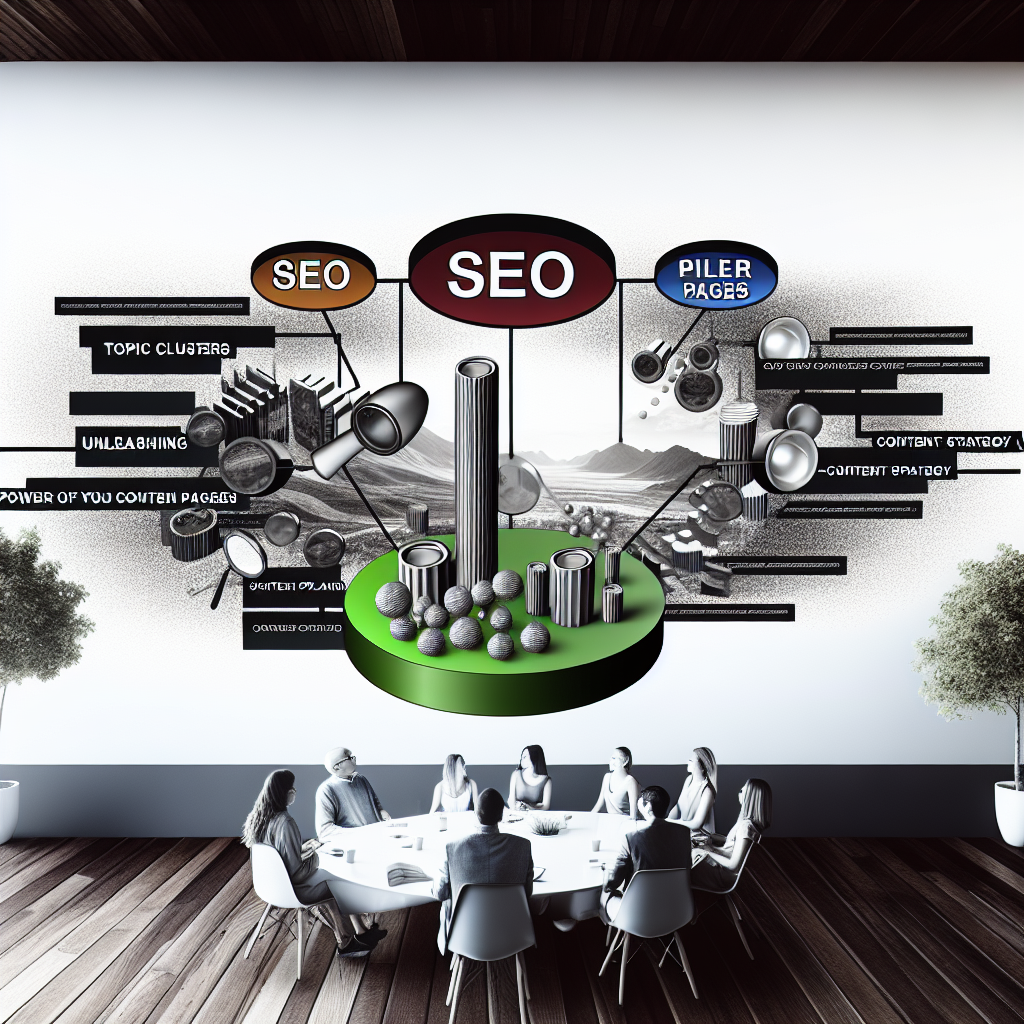
Maximizing SEO with Topic Clusters and Pillar Pages
In today’s digital age, having a strong online presence is crucial for any business or brand. And when it comes to being visible on search engines, search engine optimization (SEO) is the key. SEO is the process of optimizing your website and its content to rank higher on search engine results pages (SERPs). And one of the most effective ways to boost your SEO is through topic clusters and pillar pages.
Topic clusters and pillar pages are two essential components of a successful SEO content strategy. They work hand in hand to improve your website’s visibility and authority on search engines. In this article, we will delve deeper into what topic clusters and pillar pages are and how you can use them to maximize your SEO efforts.
Let’s start with topic clusters. A topic cluster is a group of interlinked content pieces that revolve around a central topic or theme. It is a way of organizing your website’s content in a more structured and strategic manner. The main idea behind topic clusters is to create a network of related content that provides comprehensive information on a particular topic. This not only helps search engines understand the context of your content but also makes it easier for users to navigate through your website.
To create a topic cluster, you need to start with a broad topic that is relevant to your business or industry. This broad topic will serve as your pillar page. A pillar page is a comprehensive piece of content that covers all aspects of the broad topic. It is usually longer in length and contains links to more specific content pieces, known as cluster content. The cluster content should be closely related to the pillar page and provide more detailed information on specific subtopics.
For example, if you have a website that sells skincare products, your broad topic could be “skincare routine.” Your pillar page would then cover all the essential steps and products needed for a complete skincare routine. The cluster content could include articles on specific products, such as “The Benefits of Using a Vitamin C Serum” or “How to Choose the Right Moisturizer for Your Skin Type.” By linking these cluster content pieces to your pillar page, you are creating a network of related content that signals to search engines that your website is an authority on skincare routines.
Now, you might be wondering, how does this help with SEO? Well, topic clusters and pillar pages work together to improve your website’s ranking on search engines. When a user searches for a particular topic, search engines will crawl through your website and look for relevant content. If your website has a well-structured topic cluster, with a pillar page and cluster content, it is more likely to rank higher on the SERPs. This is because search engines consider websites with comprehensive and interconnected content as more valuable and authoritative.
In addition to improving your website’s ranking, topic clusters and pillar pages also help with user experience. By providing users with a network of related content, they are more likely to stay on your website longer and explore different topics. This not only increases user engagement but also reduces bounce rates, which is another factor that search engines consider when ranking websites.
In conclusion, topic clusters and pillar pages are essential components of a successful SEO content strategy. They not only improve your website’s visibility and authority on search engines but also enhance user experience. So, if you want to boost your SEO efforts, consider implementing topic clusters and pillar pages into your content strategy. With a well-structured and interconnected network of content, you can take your website to the top of the SERPs and attract more organic traffic.
Creating a Content Calendar for SEO Blogging Success

In today’s digital age, having a strong online presence is crucial for businesses to succeed. And one of the key components of a successful online presence is having a solid SEO strategy. SEO, or search engine optimization, is the process of optimizing your website and its content to rank higher in search engine results pages (SERPs). And one of the most effective ways to boost your SEO is through a well-planned content strategy, specifically through blogging.
Blogging has become an essential tool for businesses to improve their SEO. By regularly publishing high-quality, relevant content, you can attract more traffic to your website and increase your chances of ranking higher in search engine results. However, simply writing blog posts without a clear strategy in mind will not yield the desired results. This is where creating a content calendar comes in.
A content calendar is a schedule that outlines the topics, keywords, and publishing dates for your blog posts. It serves as a roadmap for your blogging efforts and helps you stay organized and consistent. Here are some essential tips for creating a content calendar for SEO blogging success.
First and foremost, it’s crucial to understand your target audience and their interests. Your blog posts should be tailored to their needs and preferences to attract and engage them. Conducting thorough research on your target audience’s demographics, interests, and pain points will help you come up with relevant and valuable topics for your blog posts.
Once you have a clear understanding of your target audience, it’s time to conduct keyword research. Keywords are the words or phrases that people type into search engines when looking for information. By incorporating relevant keywords into your blog posts, you increase your chances of ranking higher in search engine results. Tools like Google Keyword Planner and SEMrush can help you identify the most relevant and high-volume keywords for your blog posts.
Now that you have a list of topics and keywords, it’s time to create a content calendar. Start by deciding on a publishing frequency that works for your business. It’s essential to be consistent with your blogging efforts, whether it’s once a week or twice a month. This will help you build a loyal readership and improve your SEO over time.
Next, assign topics and keywords to specific publishing dates on your content calendar. It’s essential to have a mix of evergreen content (timeless and always relevant) and timely content (relevant to current events or trends). This will help keep your blog fresh and attract a diverse audience.
In addition to topics and keywords, your content calendar should also include other important details such as the title of the blog post, the author, and any relevant links or images. This will help you stay organized and ensure that all necessary elements are included in your blog posts.
Another crucial aspect of creating a content calendar is tracking your progress and results. This will help you determine which topics and keywords are performing well and which ones need improvement. Tools like Google Analytics can provide valuable insights into your blog’s traffic and engagement, allowing you to make data-driven decisions for future blog posts.
In conclusion, creating a content calendar is an essential step in your SEO content strategy. It helps you stay organized, consistent, and relevant, all of which are crucial for improving your SEO. By understanding your target audience, conducting keyword research, and tracking your progress, you can create a successful content calendar that will boost your SEO and drive more traffic to your website. So start planning and get ready to see the positive impact on your online presence.
The Power of Evergreen Content in SEO Copywriting
In the world of SEO, content is king. It is the driving force behind a successful SEO strategy and can make or break a website’s ranking on search engine results pages (SERPs). While there are many different tactics and techniques that can be used to boost SEO, one of the most powerful and long-lasting methods is through the use of evergreen content.
So, what exactly is evergreen content? Simply put, it is content that remains relevant and valuable over time. Unlike timely or trending content, evergreen content is not tied to a specific event or time period. It is timeless and can continue to attract traffic and generate leads long after it has been published.
One of the main benefits of evergreen content is its ability to improve a website’s SEO. Search engines, such as Google, prioritize high-quality, relevant, and valuable content in their rankings. By creating evergreen content, you are providing search engines with exactly what they are looking for, which can result in higher rankings and increased visibility for your website.
Another advantage of evergreen content is its longevity. Unlike other types of content that may lose relevance over time, evergreen content can continue to attract traffic and generate leads for months or even years after it has been published. This means that the time and effort put into creating evergreen content can have a lasting impact on your website’s SEO and overall success.
One effective way to incorporate evergreen content into your SEO strategy is through the use of topic clusters and pillar pages. Topic clusters are a group of interlinked articles or blog posts that revolve around a central topic or theme. These clusters help to establish your website as an authority on a particular subject and can improve your website’s overall SEO.
Pillar pages, on the other hand, are comprehensive and in-depth pieces of content that cover a broad topic. They serve as the main hub for a topic cluster and link to all the related articles within the cluster. Pillar pages are a great way to showcase your expertise and provide valuable information to your audience, while also boosting your website’s SEO.
When creating evergreen content, it is important to keep in mind the key elements that make it successful. First and foremost, the content must be high-quality and provide value to your audience. This means conducting thorough research, using reliable sources, and presenting the information in a clear and engaging manner.
In addition, evergreen content should be optimized for SEO. This includes using relevant keywords, optimizing meta descriptions and title tags, and including internal and external links. By following SEO best practices, you can ensure that your evergreen content is not only valuable to your audience but also to search engines.
It is also important to regularly update and maintain your evergreen content. While it may be timeless, it is not immune to changes and updates in the industry. By regularly reviewing and updating your evergreen content, you can ensure that it remains relevant and valuable to your audience, which can further improve its SEO impact.
In conclusion, evergreen content is a powerful tool in SEO copywriting. Its ability to remain relevant and valuable over time can have a lasting impact on a website’s SEO and overall success. By incorporating evergreen content into your SEO strategy, through the use of topic clusters and pillar pages, you can establish your website as an authority in your industry and attract more traffic and leads. Remember to create high-quality, optimized, and regularly updated evergreen content to reap the full benefits of this powerful SEO tactic.
“Ready to take your SEO to the next level? Boost your website’s visibility and drive more traffic with our SEO content strategy and blogging essentials, including topic clusters and pillar pages. Don’t miss out on potential customers – get a free quote from our team at SEO4Houston today!” Click here to get started.