
Mastering SEO Content Strategy: A Step-by-Step Guide with Topic Clusters and Evergreen Content
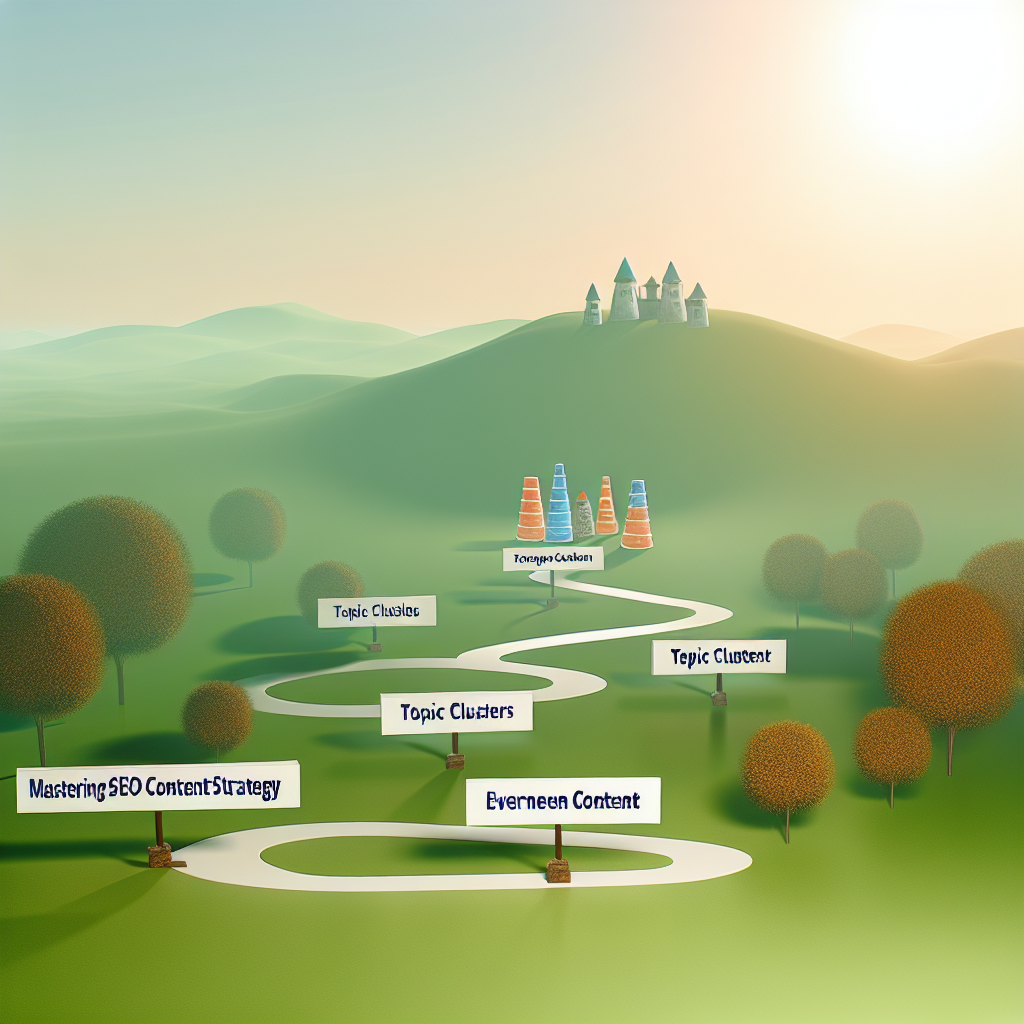
How to Create an Effective Content Strategy for SEO Blogging Using Topic Clusters
In today’s digital age, having a strong online presence is crucial for businesses and individuals alike. One of the most effective ways to increase your online visibility and attract more traffic to your website is through search engine optimization (SEO) blogging. By creating high-quality, SEO-friendly content, you can improve your website’s ranking on search engine results pages (SERPs) and ultimately drive more organic traffic to your site.
However, simply writing blog posts without a strategic plan in place will not yield the desired results. This is where a well-crafted content strategy comes into play. In this article, we will discuss how to create an effective content strategy for SEO blogging using topic clusters.
Step 1: Identify Your Target Audience and Their Interests
The first step in creating a successful content strategy is to identify your target audience and understand their interests. This will help you determine the type of content that will resonate with them and attract their attention. Conduct market research and analyze your website’s analytics to gain insights into your audience’s demographics, interests, and online behavior.
Step 2: Conduct Keyword Research
Once you have a clear understanding of your target audience, it’s time to conduct keyword research. This involves identifying the keywords and phrases that your audience is using to search for information related to your industry or niche. Use keyword research tools such as Google Keyword Planner, SEMrush, or Ahrefs to find relevant keywords with high search volume and low competition.
Step 3: Create a List of Topics
Based on your keyword research, create a list of topics that are relevant to your target audience and align with your business goals. These topics will serve as the foundation for your topic clusters. It’s essential to choose topics that are not only relevant but also have the potential to rank well on search engines.
Step 4: Organize Topics into Clusters
Topic clusters are a group of interlinked content pieces that revolve around a central topic or pillar page. These clusters help search engines understand the relationship between different pieces of content and improve your website’s overall SEO. Organize your list of topics into clusters, with each cluster focusing on a specific pillar page.
Step 5: Create High-Quality Content
Now that you have your topic clusters in place, it’s time to start creating high-quality content. Each piece of content should be well-researched, informative, and engaging. Use your target keywords strategically throughout the content, but avoid keyword stuffing. Remember to also optimize your content for readability and include relevant visuals to make it more appealing to your audience.
Step 6: Interlink Your Content
As you create content for your topic clusters, make sure to interlink them. This means linking each piece of content to other relevant pieces within the same cluster. This not only helps search engines understand the relationship between your content but also encourages readers to explore more of your website.
Step 7: Promote Your Content
Creating high-quality content is only half the battle; promoting it is equally important. Share your content on social media, reach out to influencers in your industry, and consider investing in paid promotion to reach a wider audience. The more exposure your content gets, the more backlinks it will generate, which is crucial for SEO.
In conclusion, an effective content strategy for SEO blogging involves understanding your target audience, conducting keyword research, organizing topics into clusters, creating high-quality content, interlinking your content, and promoting it. By following these steps, you can improve your website’s SEO and attract more organic traffic, ultimately leading to increased brand awareness and potential conversions. So, start implementing these strategies today and watch your website climb the ranks on search engine results pages.
The Importance of Evergreen Content in SEO Blogging and How to Incorporate it into Your Strategy
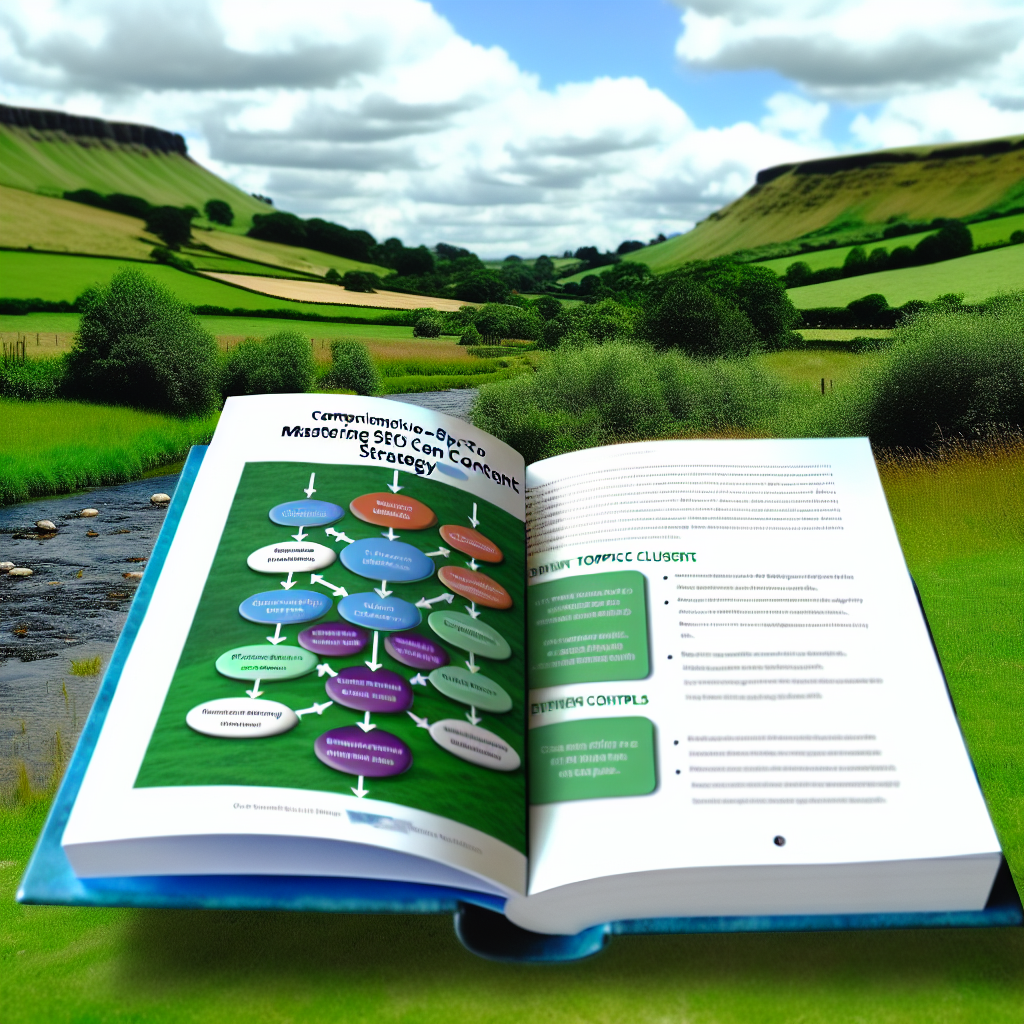
In today’s digital age, having a strong online presence is crucial for any business or brand. And one of the most effective ways to improve your online visibility is through search engine optimization (SEO). By optimizing your website and content for search engines, you can increase your chances of ranking higher in search results and driving more traffic to your site.
One key aspect of SEO is creating evergreen content. Evergreen content refers to content that remains relevant and valuable over time, as opposed to timely or seasonal content. This type of content is important for SEO blogging because it can continue to drive traffic to your site long after it’s been published.
So why is evergreen content so important for SEO blogging? For starters, it helps to establish your website as a reliable source of information. When readers find valuable and relevant content on your site, they are more likely to return and even share your content with others. This can lead to an increase in backlinks, which are crucial for SEO.
Additionally, evergreen content can help improve your website’s authority and credibility. When search engines see that your content is consistently relevant and valuable, they are more likely to rank your site higher in search results. This can also lead to an increase in organic traffic, as users are more likely to click on a site that appears at the top of search results.
Now that we understand the importance of evergreen content in SEO blogging, let’s discuss how to incorporate it into your content strategy. One effective way to do this is through the use of topic clusters. Topic clusters are a group of interlinked content pieces that revolve around a central topic or theme. This approach not only helps to organize your content but also signals to search engines that your site is an authority on a particular topic.
To create a topic cluster, start by identifying a broad topic that is relevant to your business or industry. This could be something like “digital marketing” or “healthy eating.” Then, break down this broad topic into more specific subtopics. For example, under “digital marketing,” you could have subtopics such as “social media marketing,” “email marketing,” and “SEO.”
Next, create pillar content for each subtopic. Pillar content is a comprehensive and in-depth piece of content that covers all aspects of a particular subtopic. This could be a long-form blog post, an e-book, or a video. The key is to make it valuable and evergreen, so it continues to drive traffic to your site.
Once you have your pillar content, you can then create supporting content pieces that link back to it. These could be shorter blog posts, infographics, or videos that dive deeper into specific aspects of the subtopic. By linking back to your pillar content, you are creating a web of interconnected content that signals to search engines that your site is an authority on the topic.
Another way to incorporate evergreen content into your SEO blogging strategy is by updating and repurposing old content. As mentioned earlier, evergreen content remains relevant over time. However, this doesn’t mean it can’t be updated or repurposed to keep it fresh and valuable. For example, you could update statistics or add new information to an old blog post, or turn a popular blog post into a video or infographic.
In conclusion, evergreen content is a crucial component of SEO blogging. It helps to establish your website as an authority, improve your search engine rankings, and drive organic traffic to your site. By using topic clusters and updating old content, you can effectively incorporate evergreen content into your content strategy and reap the benefits of SEO blogging. So start creating valuable and relevant evergreen content today and watch your online presence grow.
Maximizing SEO Results with Pillar Pages and a Well-Planned Content Calendar for Your Blog
In today’s digital age, having a strong online presence is crucial for any business or brand. And one of the most effective ways to increase your online visibility and attract potential customers is through search engine optimization (SEO). However, with the ever-changing algorithms and strategies of search engines, it can be challenging to keep up and ensure that your content is ranking high on search engine results pages (SERPs). This is where a well-planned SEO content strategy and blogging guide comes into play.
One of the most effective techniques for maximizing SEO results is through the use of topic clusters. This involves creating a pillar page, which serves as the main hub for a specific topic, and then linking related blog posts to it. This not only helps to organize your content but also signals to search engines that your website is an authority on that particular topic.
The first step in creating a topic cluster is to identify your pillar page topic. This should be a broad topic that is relevant to your business or brand and has a high search volume. For example, if you are a fitness brand, your pillar page topic could be “Healthy Living.” Once you have identified your pillar page topic, you can then start brainstorming subtopics that are related to it. These subtopics will serve as the basis for your blog posts.
When creating your blog posts, it is essential to keep in mind the keywords and phrases that you want to rank for. These should be strategically placed throughout your content, including in the title, headings, and body of the post. However, it is crucial to avoid keyword stuffing, as this can actually harm your SEO efforts. Instead, focus on creating high-quality, informative content that naturally incorporates your keywords.
As you create your blog posts, be sure to link them back to your pillar page. This not only helps to establish the topic cluster but also signals to search engines that your content is related and valuable. Additionally, linking to other relevant and authoritative websites can also improve your SEO.
Another crucial aspect of maximizing SEO results is having a well-planned content calendar for your blog. This involves creating a schedule for when you will publish new blog posts and ensuring that they are consistent and relevant to your target audience. A content calendar can also help you stay organized and ensure that you are covering a variety of topics within your topic cluster.
When planning your content calendar, it is essential to consider the seasonality of your topics. For example, if you are a fashion brand, you may want to focus on fall fashion trends during the fall season. This not only keeps your content fresh and relevant but also helps to attract more traffic to your website.
In addition to seasonality, it is also crucial to consider the different types of content you will be creating. This can include written blog posts, videos, infographics, and more. By diversifying your content, you can appeal to a wider audience and keep them engaged.
It is also essential to regularly review and update your content calendar. This allows you to make any necessary adjustments and ensure that your content is always relevant and up-to-date. It is also a good idea to track your SEO progress and make any necessary changes to your strategy based on your results.
In conclusion, a well-planned SEO content strategy and blogging guide can greatly improve your online visibility and attract potential customers. By utilizing topic clusters, creating high-quality content, and having a well-planned content calendar, you can maximize your SEO results and establish your website as an authority in your industry. Remember to stay consistent, relevant, and always keep track of your progress to continuously improve your SEO efforts.
“Ready to take your SEO content strategy and blogging to the next level? Follow our step-by-step guide on using topic clusters and SEO blogging to boost your online presence. Don’t miss out on potential customers – get started today with a free quote from SEO4Houston!” Click here to get your free quote now.