
Mastering SEO Blogging: Boost Your Content Strategy with Topic Clusters, Pillar Pages, and More!
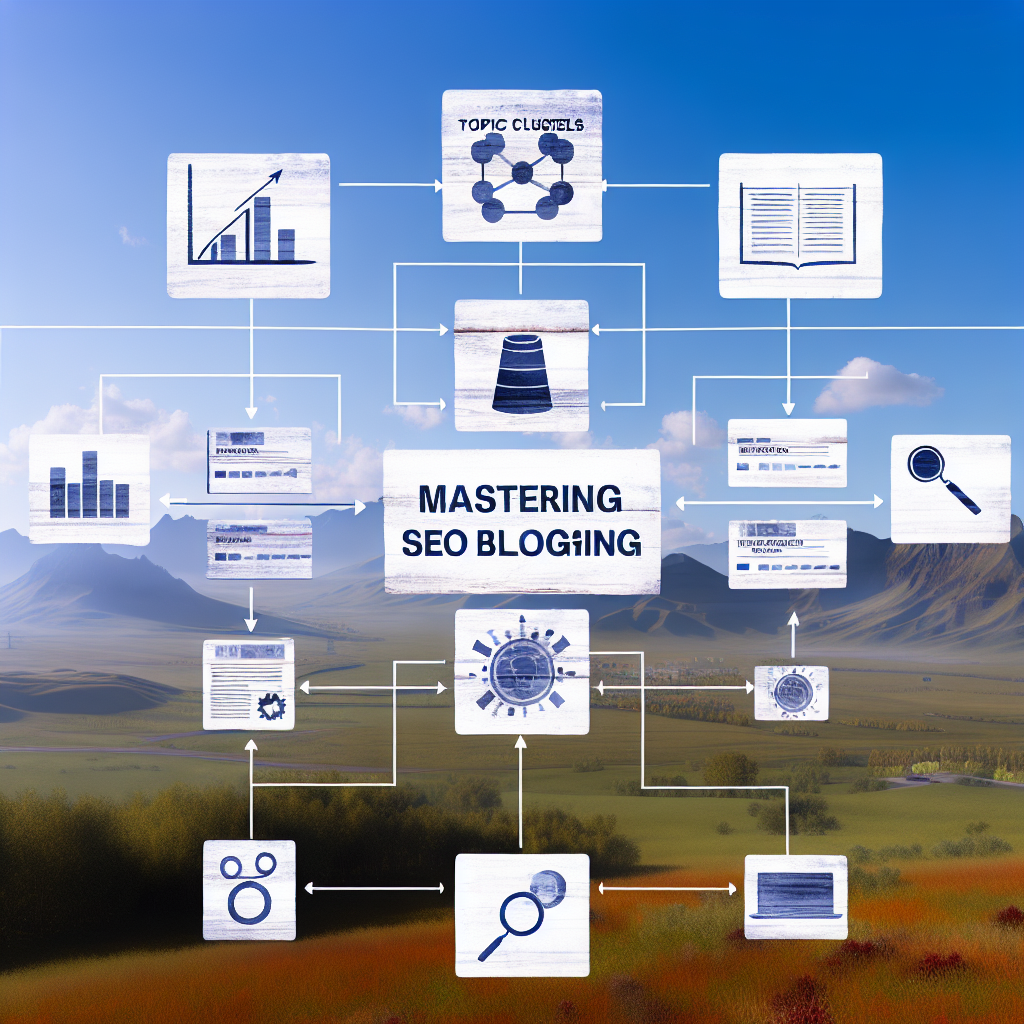
Utilizing a Content Calendar for SEO Blogging
In today’s digital age, having a strong online presence is crucial for businesses and individuals alike. One of the key components of a successful online presence is having a well-crafted SEO content strategy. This involves creating high-quality content that is optimized for search engines, making it easier for your target audience to find and engage with your website. However, with the ever-changing algorithms of search engines, it can be challenging to keep up with the latest SEO trends and techniques. This is where utilizing a content calendar for SEO blogging can be a game-changer.
A content calendar is a tool that helps you plan and organize your content creation and publishing schedule. It allows you to map out your content strategy for the upcoming weeks or months, ensuring that you have a consistent flow of high-quality content for your audience. When it comes to SEO blogging, a content calendar can be a powerful tool to help you stay on top of your game.
The first step in utilizing a content calendar for SEO blogging is to understand your target audience and their interests. This will help you create content that resonates with them and is more likely to be shared and engaged with. Conducting thorough keyword research is also essential in this process. By identifying the keywords and phrases that your target audience is searching for, you can create content that is optimized for those specific terms, making it easier for your website to rank higher in search engine results.
Once you have a clear understanding of your target audience and have conducted keyword research, it’s time to start planning your content calendar. This involves deciding on the type of content you want to create, such as blog posts, videos, infographics, or podcasts. It’s also essential to determine the frequency of your content publishing, whether it’s daily, weekly, or monthly. This will help you stay consistent and maintain a steady flow of content for your audience.
Another crucial aspect of utilizing a content calendar for SEO blogging is to plan your content around relevant and timely topics. This could include industry news, seasonal events, or trending topics. By creating content that is timely and relevant, you increase the chances of your content being shared and gaining traction on social media platforms.
In addition to planning your content, a content calendar can also help you stay organized and on track with your SEO efforts. By scheduling specific tasks, such as conducting keyword research, optimizing content, and promoting it on social media, you can ensure that all aspects of your SEO strategy are being addressed. This can be especially helpful for businesses or individuals who have multiple team members working on their content creation and SEO efforts.
Furthermore, a content calendar can also help you track the performance of your content. By monitoring metrics such as website traffic, engagement, and conversions, you can determine which types of content are resonating with your audience and adjust your content strategy accordingly. This data can also help you identify any gaps in your content and make necessary improvements to boost your SEO efforts.
In conclusion, utilizing a content calendar for SEO blogging can be a valuable tool in creating a successful online presence. By understanding your target audience, conducting thorough keyword research, and planning your content around relevant topics, you can create high-quality content that is optimized for search engines. Additionally, a content calendar can help you stay organized, track your content’s performance, and make necessary adjustments to improve your SEO strategy. So, if you want to take your SEO content strategy to the next level, consider implementing a content calendar into your workflow.
Creating Topic Clusters and Pillar Pages for SEO Content Strategy

In today’s digital age, having a strong online presence is crucial for any business or brand. And one of the key components of a successful online presence is having a solid SEO content strategy. This involves creating high-quality, relevant, and optimized content that will not only attract readers but also rank well on search engines. In this article, we will discuss how to improve your SEO content strategy and blogging by utilizing topic clusters and pillar pages.
Firstly, let’s define what topic clusters and pillar pages are. Topic clusters are a group of interlinked content pieces that revolve around a central topic or theme. These pieces can be in the form of blog posts, articles, videos, or any other type of content. On the other hand, pillar pages are comprehensive, in-depth pieces of content that cover a broad topic and link to the related topic clusters. Together, these two elements form a powerful SEO strategy that can significantly improve your website’s visibility and ranking.
The first step in creating topic clusters and pillar pages is to conduct thorough keyword research. This involves identifying the keywords and phrases that your target audience is using to search for information related to your business or industry. You can use various tools such as Google Keyword Planner, SEMrush, or Ahrefs to help you with this process. Once you have a list of relevant keywords, you can start building your topic clusters and pillar pages around them.
When creating topic clusters, it’s essential to have a clear understanding of your target audience and their interests. This will help you determine the subtopics that will be included in your cluster. For example, if you have a fashion blog, your main topic could be “summer fashion trends.” Your subtopics could then include “summer dresses,” “beachwear,” “sunglasses,” and so on. Each of these subtopics will have its own dedicated blog post, all linking back to the main topic of “summer fashion trends.”
As for pillar pages, they should cover a broad topic that is relevant to your business or industry. These pages should be comprehensive and provide valuable information to your readers. Going back to the fashion blog example, your pillar page could be “The Ultimate Guide to Summer Fashion.” This page would cover all the subtopics mentioned earlier and provide a comprehensive guide for your readers. It’s important to note that your pillar page should also link back to the related topic clusters, creating a strong internal linking structure.
Another crucial aspect of creating topic clusters and pillar pages is to have a well-organized content calendar. This will help you plan and schedule your content creation process, ensuring that you have a steady flow of high-quality content. Your content calendar should include the topics for your topic clusters and pillar pages, as well as the publishing dates for each piece of content. This will help you stay on track and ensure that your content is released in a strategic manner.
In addition to topic clusters and pillar pages, there are other elements that you can incorporate into your SEO content strategy to further improve its effectiveness. These include optimizing your content for featured snippets, using long-tail keywords, and incorporating visual elements such as images and videos. It’s also essential to regularly update and refresh your content to keep it relevant and up-to-date.
In conclusion, creating topic clusters and pillar pages is a highly effective way to improve your SEO content strategy and blogging. By conducting thorough keyword research, understanding your target audience, and having a well-organized content calendar, you can create a strong internal linking structure that will boost your website’s visibility and ranking. Remember to also incorporate other SEO tactics and regularly update your content to ensure its success. With these tips in mind, you can take your SEO content strategy to the next level and see significant improvements in your online presence.
Incorporating SEO Copywriting and Evergreen Content in Blogging for Improved SEO Results
In today’s digital age, having a strong online presence is crucial for any business or brand. And one of the key components of a successful online presence is having a solid SEO content strategy. SEO, or search engine optimization, is the process of optimizing your website and its content to rank higher in search engine results. This not only drives more traffic to your site but also helps to improve your overall online visibility and credibility.
One effective way to incorporate SEO into your content strategy is through SEO blogging. This involves creating blog posts that are not only informative and engaging but also optimized for search engines. By incorporating relevant keywords and phrases into your blog posts, you can increase your chances of ranking higher in search engine results pages (SERPs).
But simply adding keywords into your blog posts is not enough. To truly improve your SEO results, you need to have a well-planned and organized approach. This is where a content calendar comes into play. A content calendar is a schedule that outlines the topics, keywords, and publishing dates for your blog posts. It helps you stay organized and consistent with your content, which is essential for SEO.
When creating a content calendar, it’s important to consider both short-term and long-term goals. Short-term goals may include promoting a new product or service, while long-term goals may involve establishing your brand as an authority in your industry. By having a mix of both types of content, you can keep your audience engaged while also improving your SEO.
Another important aspect of SEO blogging is incorporating evergreen content. Evergreen content refers to blog posts that remain relevant and valuable over time. This type of content is not time-sensitive and can continue to drive traffic to your site long after it’s been published. Examples of evergreen content include how-to guides, listicles, and informative articles.
By incorporating evergreen content into your blogging strategy, you can attract a steady stream of traffic to your site, which can ultimately improve your SEO results. Additionally, evergreen content can also be repurposed and shared on social media, further increasing your online visibility and reach.
In addition to SEO blogging and evergreen content, there are a few other key elements to keep in mind when it comes to improving your SEO results. First, make sure your blog posts are well-written and free of spelling and grammar errors. Not only does this improve the overall quality of your content, but it also reflects positively on your brand and can help to establish trust with your audience.
Secondly, make sure your blog posts are visually appealing. This includes using high-quality images, videos, and other multimedia elements to break up the text and make your content more engaging. Visuals not only make your blog posts more interesting to read but also help to improve your SEO by keeping visitors on your site longer.
Lastly, don’t forget about internal linking. Internal linking refers to linking to other pages or blog posts within your own website. This not only helps to improve the user experience by providing additional relevant information but also helps to improve your SEO by showing search engines the structure and hierarchy of your website.
Incorporating SEO copywriting and evergreen content into your blogging strategy can greatly improve your SEO results. By having a well-planned content calendar, creating high-quality and engaging content, and utilizing internal linking, you can attract more traffic to your site and establish your brand as a credible and authoritative source in your industry. So don’t underestimate the power of SEO blogging and start implementing these strategies today for improved SEO success.
“Ready to take your SEO content strategy and blogging to the next level? Start by incorporating SEO blogging techniques and utilizing a content calendar. Want even more tips and guidance? Contact us for a free quote at https://seo4houston.com/free-quote and let us help you boost your online presence today!”